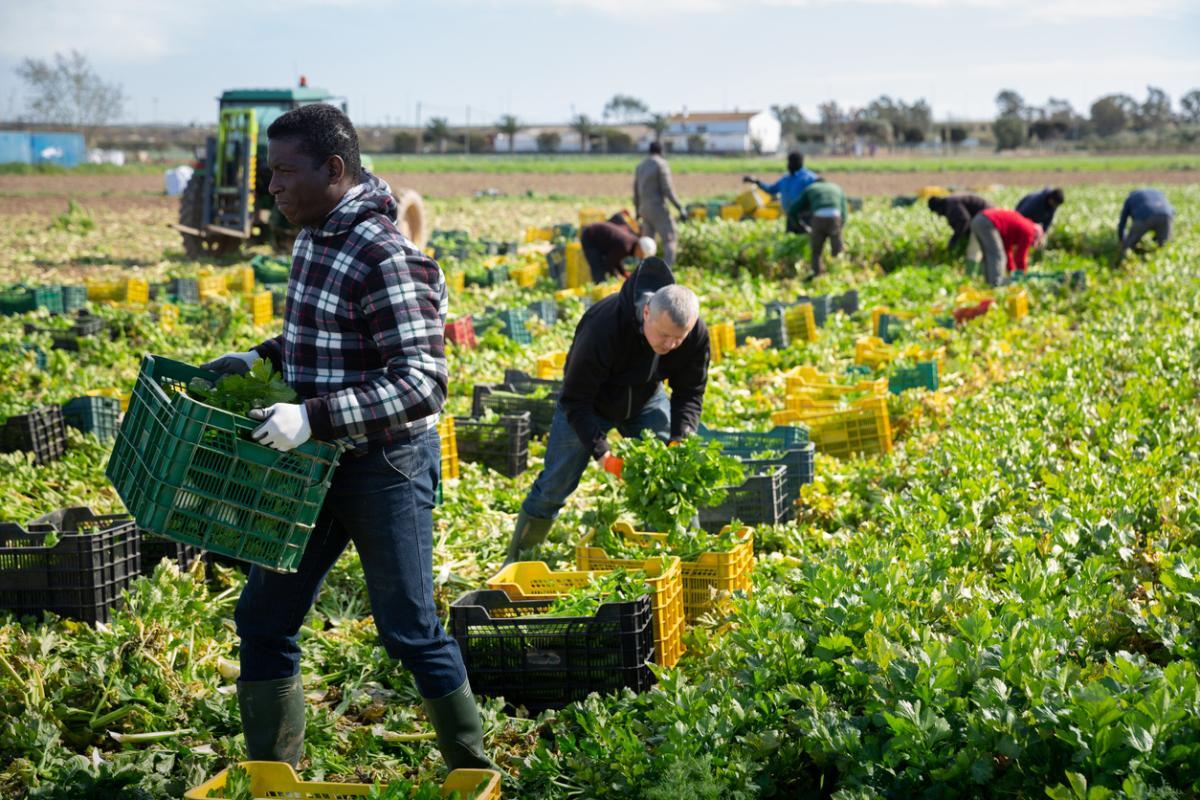
Oklahoma farm workers are generally not covered by the state’s Workers’ Compensation system, with a few specific exceptions. Understanding these rules is crucial for both employers and employees in Oklahoma’s vast agricultural sector, where workplace injuries can and do happen.
Do Farm Workers Qualify for Workers’ Compensation in Oklahoma?
In most cases, Oklahoma law excludes farm workers from mandatory Workers’ Compensation coverage. This means that if you are hurt while working on a farm or ranch, you usually are not entitled to the same benefits as employees in other industries—such as paid medical care, wage replacement, or rehabilitation—unless your employer meets certain stipulations or has voluntarily obtained coverage for you.
Does Oklahoma Law Include Some Farm Workers?
Oklahoma’s Workers’ Compensation law [85A OK Stat § 2v1, 18a, b(2) (2025)] specifically exempts agricultural or horticultural workers from required coverage, unless their employer had a gross annual payroll in the preceding calendar year of more than One Hundred and Fifty Thousand Dollars ($150,000.00) in wages for agricultural, ranching, or horticultural workers. Effective November 1, 2026, that exemption will be raised to $250,000.
What Does “Agricultural Work” Mean Under the Law?
The state defines agriculture broadly. According to the Oklahoma Farm and Ranch Employment Handbook, agricultural work includes farming in all its branches, such as:
- Cultivating soil
- Raising and harvesting crops
- Dairying
- Producing, cultivating, growing, and harvesting any agricultural or horticultural commodities
- Raising livestock, bees, fur-bearing animals, or poultry
If your job primarily involves these activities, you’re likely considered a farm worker and subject to the Workers’ Compensation exclusion. However, if your duties go beyond traditional farming—for example, working in an on-site processing plant or doing significant non-agricultural labor for the same employer—you may fall into a gray area. In some cases, coverage can be more complex.
Are There Any Exceptions for Farm Workers?
Yes, there are limited situations where Oklahoma farm workers may be covered by Workers’ Compensation:
- Voluntary Coverage: Some farm and ranch employers choose to purchase Workers’ Compensation insurance even though it’s not legally required.
- Dual Employment: If a farm worker also performs non-agricultural tasks for the same employer and gets injured while doing those tasks, coverage may apply.
- Large-Scale or Corporate Farms: Some larger agricultural businesses may have policies that cover their workers either by choice or because of the nature of their operations.
- Federal Programs: Certain migrant or seasonal farm workers may have access to federal injury compensation programs, though these are less common and often limited in scope.
What Happens If a Farm Worker Is Injured on the Job?
If you’re a farm worker in Oklahoma and are injured at work, you should:
- Report the injury to your employer immediately.
- Ask whether your employer carries voluntary Workers’ Compensation coverage.
- Seek medical attention and document your injuries.
- Consider speaking with an attorney who understands agricultural employment law.
If your employer does not provide Workers’ Compensation, you may still have other legal options, such as pursuing a personal injury claim if your injury was caused by negligence. However, without Workers’ Compensation, you are not automatically entitled to wage replacement or paid medical care.
How The Armstrong Law Firm, PLC, Helps Oklahoma Farm Workers
At The Armstrong Law Firm, PLC, we understand the unique challenges faced by Oklahoma farm workers—many of whom do vital but risky work with little legal protection. Our team has decades of experience in Workers’ Compensation law, and we know how to investigate complex claims involving agricultural labor. We help farm workers and their families:
- Determine if an employer has Workers’ Compensation insurance
- Explore all available legal options after an injury
- Protect their rights in negotiations and court
We are dedicated to helping all Oklahoma workers get the fair treatment and support they deserve, even in difficult cases where the law seems stacked against them.
Frequently Asked Questions
Are all farm workers excluded from coverage in Oklahoma?
Most are, but exceptions exist for employers who voluntarily purchase coverage or for workers performing non-agricultural tasks.
What should I do if I’m hurt on the job?
Report the injury, seek medical care, and ask your employer if they have Workers’ Compensation insurance. If not, consult an attorney about your options.
Can I sue my employer if I’m not covered?
In some cases, yes. You may be able to file a personal injury lawsuit if your injury was caused by negligence, but this process is different and often more difficult than a Workers’ Compensation claim.
Do federal laws protect Oklahoma farm workers?
Some federal programs may apply to migrant or seasonal workers, but these are limited. Most coverage decisions are governed by state law.
Why are farm workers excluded from Workers’ Compensation?
The exclusion is based on historical, economic, and policy reasons unique to agriculture. The law may change in the future, but for now, most farm workers are not automatically covered.
Know Your Rights as an Oklahoma Farm Worker
Most Oklahoma farm workers are not automatically covered by Workers’ Compensation, leaving them vulnerable after workplace injuries. However, exceptions exist, and other legal remedies may be available. If you or a loved one has been hurt while working on a farm or ranch, don’t navigate the system alone.
Schedule a consultation with The Armstrong Law Firm, PLC, in Tulsa to discuss your rights and options and get the support you need after a workplace injury in Oklahoma agriculture.